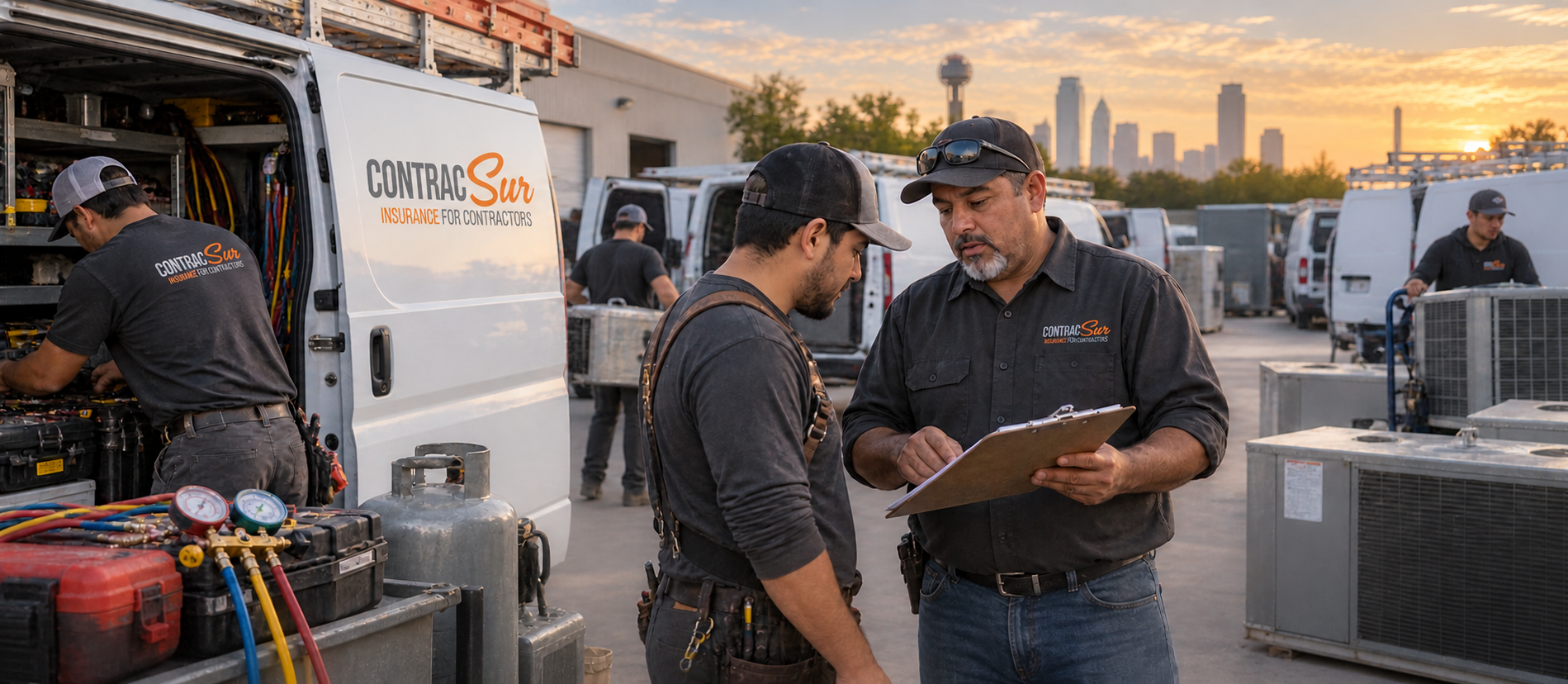
As your HVAC business adds jobs, employees, vehicles, and equipment, your insurance needs shift faster than you might expect. Missing updates to your business auto and workers’ compensation coverage can leave gaps when you least want them. This HVAC insurance checklist breaks down what to review as your Texas operation grows, helping you keep your insurance aligned with your expanding fleet and crew. Talk with ContracSur for a fast coverage review and COI support tailored to your trade. Learn more about HVAC contractor insurance.
Expanding Your HVAC Business
Growing an HVAC business in Texas brings exciting opportunities, but it also adds new complexities, especially around insurance. As you scale, ensuring your coverage matches your operations becomes crucial.
Growing Pains and Insurance Needs
As your business expands, your insurance needs change. Growth can mean more jobs, employees, and equipment, which brings new risks. Ignoring these changes might leave your business vulnerable. Addressing them ensures you stay protected.
Tips for Adding Jobs and Employees
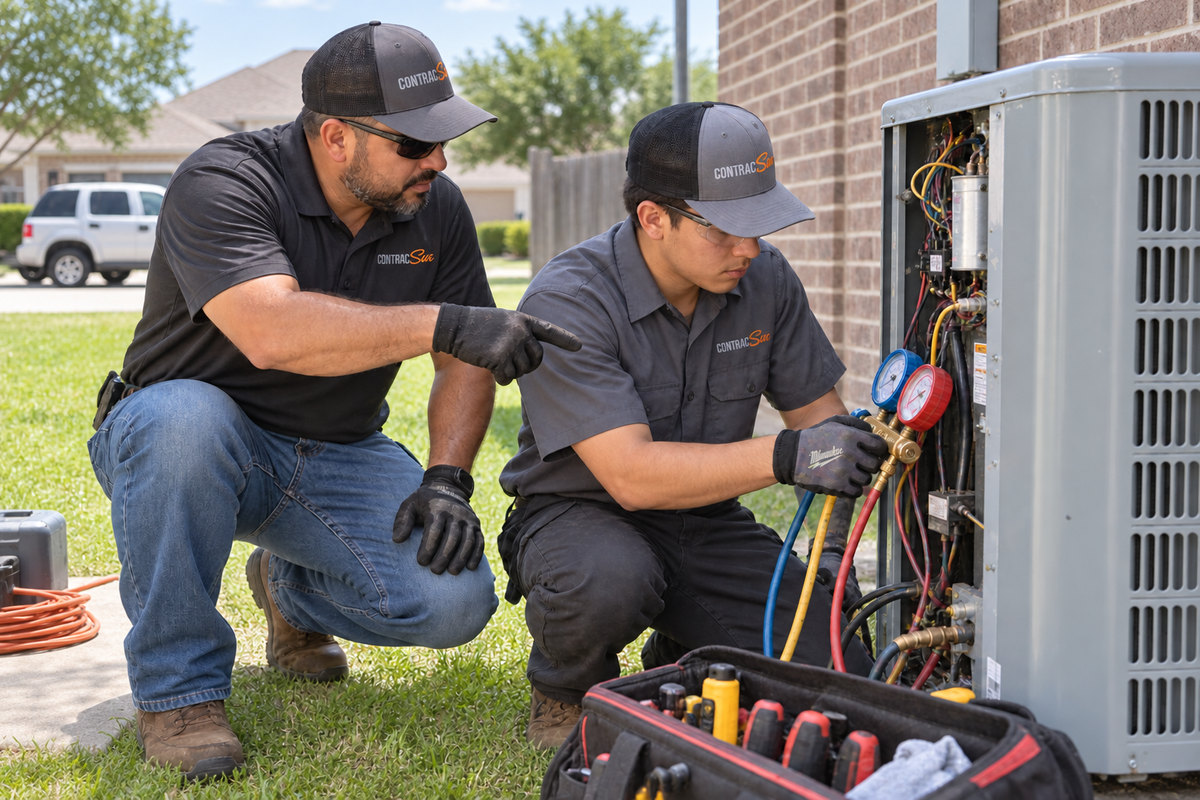
When you add jobs, your team grows. More technicians mean more hands on deck but also more responsibility. Covering each employee under workers’ comp is essential. It protects them and shields your business from potential liabilities. Consider how your payroll changes too. Increased payroll might affect your workers’ comp premiums.
Equipment and Vehicle Considerations
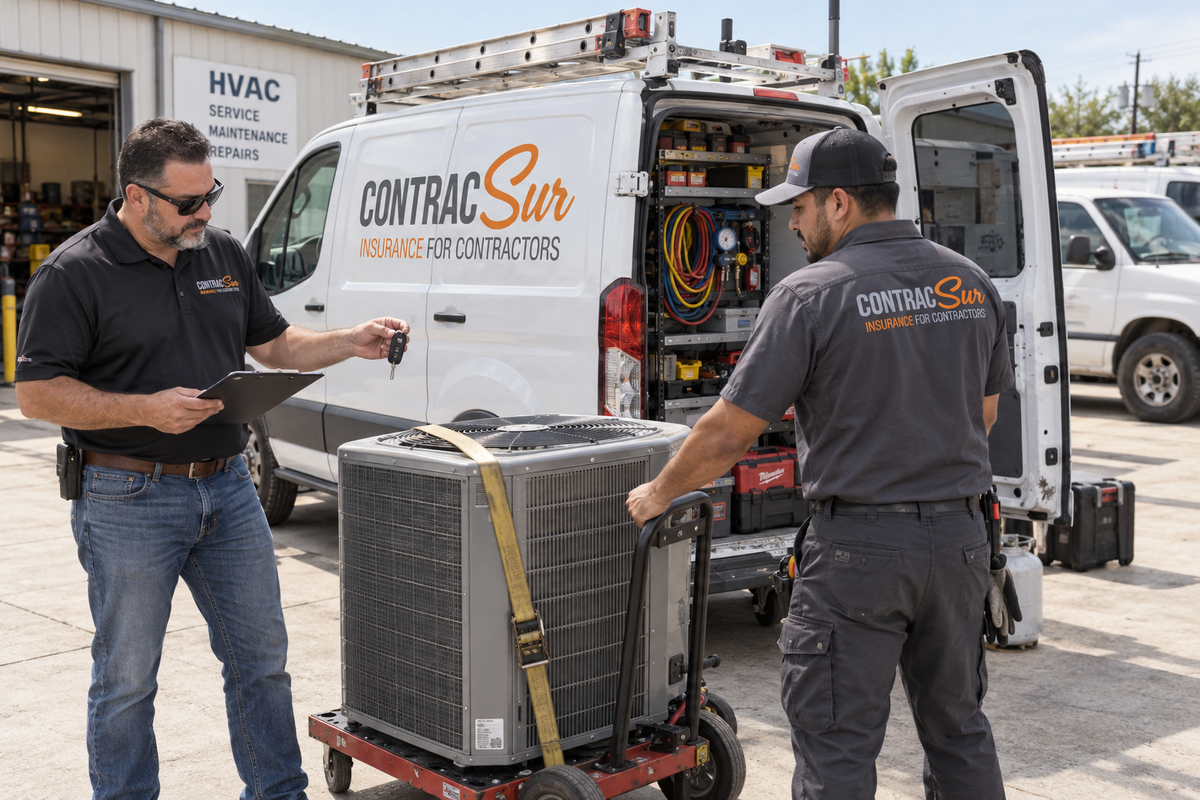
Adding new vehicles or equipment? Make sure they’re covered. Every service van or new tool should have appropriate coverage. This protects not just the items but also ensures your operations continue smoothly if something happens. Remember, your business auto insurance should evolve as your fleet grows.
Key Insurance Checkpoints
Identifying key insurance checkpoints helps ensure your business stays adequately covered. Align your operations with the right protections.
Business Auto Coverage for HVAC
Your vehicles are essential to your operations. As you add more, ensuring they’re covered under business auto insurance is vital. This coverage protects against accidents and theft, ensuring your fleet can keep running without major hitches. Make sure your policy reflects how you actually use your vehicles.
Workers’ Compensation Essentials
Workers’ compensation is crucial for protecting your employees and business. It covers medical expenses and lost wages when work-related injuries occur. As you hire more staff, ensure your workers’ comp policy is up to date with your payroll and staffing levels.
General Liability and Tools Protection
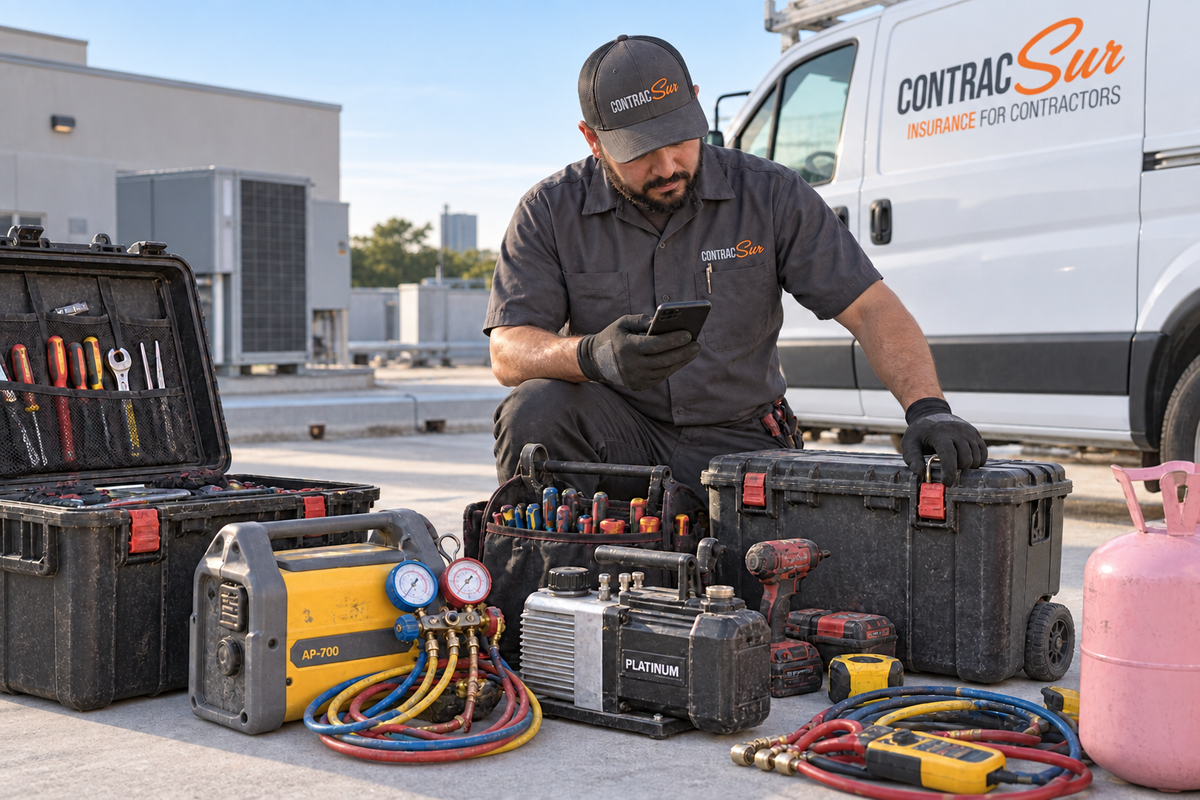
Every job comes with risks. General liability insurance covers potential third-party claims of bodily injury or property damage. It’s vital for protecting against unexpected jobsite incidents. Additionally, ensure your tools and equipment have adequate coverage. This protects them against theft or damage, whether on the road or at the site.
Ensuring Compliance and Readiness
Compliance with insurance requirements isn't just about having coverage. It’s about being prepared for audits and meeting all necessary conditions.
Contractor COI and Subcontractor Requirements
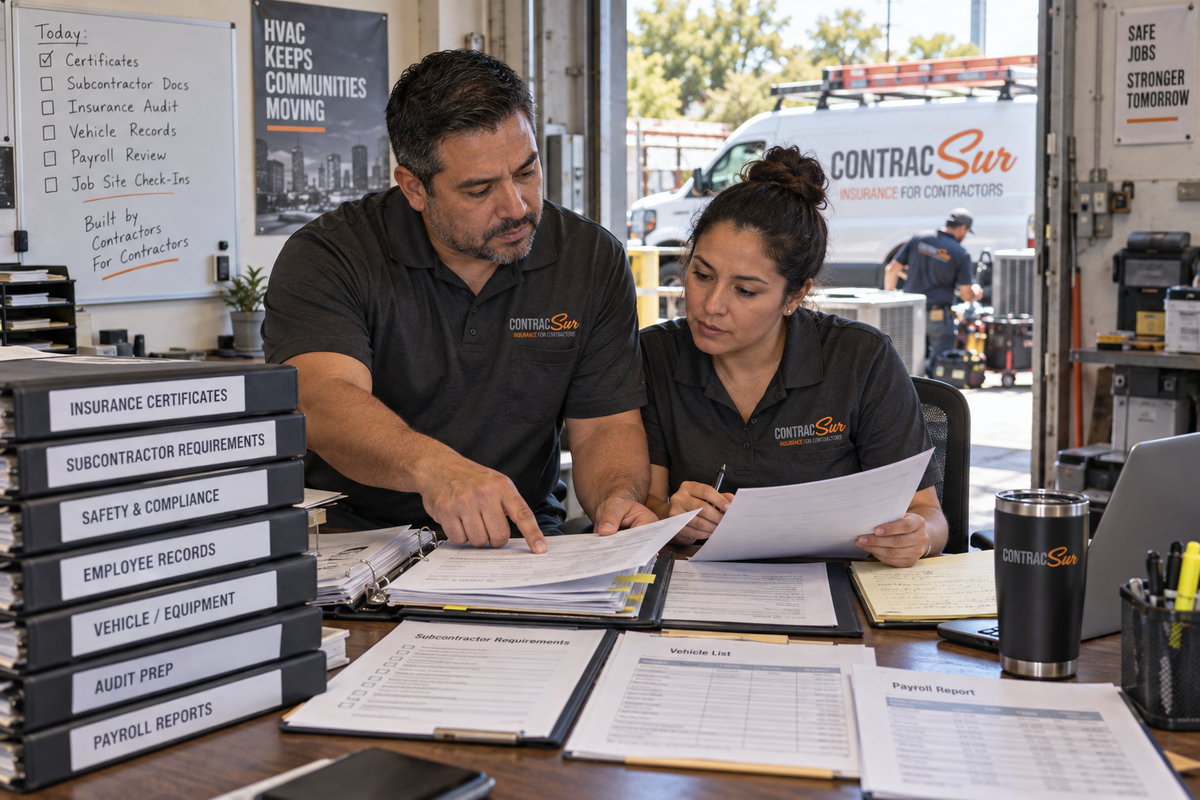
Certificates of Insurance (COIs) verify your coverage levels. As a contractor, keeping these up to date is crucial, especially if you work with subcontractors. Make sure all subcontractors meet the required insurance standards to protect your business from potential liabilities.
Managing Fleet Safety and Hired Autos
Fleet safety is crucial for your business. A fleet safety program helps minimize risks and ensures regulatory compliance. If you hire vehicles, ensure they’re covered under a hired and non-owned auto policy. This protects you from liability when using vehicles not owned by your company.
Preparing for Insurance Audits and Reviews
Regular insurance audits help ensure your coverage matches your business needs. They identify gaps and adjust your policies to reflect changes in operations or staffing. Staying ahead of audits means fewer surprises and more protection for your business.
Frequently Asked Questions
What is business auto insurance for HVAC contractors?
Business auto insurance covers vehicles used for business purposes. It protects against accidents, theft, or damage and helps ensure your business can keep operating smoothly if an incident occurs.
Why is workers’ compensation important for HVAC businesses?
Workers’ compensation protects employees by covering medical expenses and lost wages following a work-related injury. It also shields the business from liabilities associated with employee injuries.
What should a fleet safety program include?
A fleet safety program should include regular vehicle maintenance checks, driver training, and clear vehicle-use policies. It helps minimize risks and ensures compliance with safety regulations.
How does a COI benefit HVAC contractors?
A Certificate of Insurance (COI) provides proof of insurance coverage levels, which clients or contracts often require. It’s essential for demonstrating that your business meets necessary insurance standards.
What steps should HVAC businesses take during an insurance audit?
During an insurance audit, review your current coverage levels, update your policies to reflect any business changes, and ensure all documentation is accurate and up to date. This helps identify any potential gaps in coverage.